
Pascal Gielen is a Belgian full professor of sociology of culture and politics. His research focuses on artistic practices, cultural politics, and the conditions under which art is produced today. Much of this work examines how artists operate within – and in resistance to – social, economic, and political systems. Central to Gielen’s thinking is the concept of the commons: collective knowledge, communities, and shared spaces, often positioned in opposition to market-driven relations and state-based logic.
In his book The murmuring of the artistic multitude (2015), Gielen writes in various formats about how the cultural policies of contemporary European countries contribute to widening gaps between social groups – people of different economic classes, cultural backgrounds, and life experiences. He expands this argument to a global level, emphasizing that the absence of a shared cultural narrative between EU member states slowly erodes the very idea of a union, reducing it to a purely economic partnership. The ongoing rightward shift in Europe makes this fragmentation feel sharper and more visible than ever. At the same time, we observe a growing tendency toward the formation of closed or semi-closed communities – a reaction to uncertainty, precarity, and fear.
People search for external enemies from migrants, artists, neighbours, and political opposites. The social landscape narrows; trust becomes fragile.
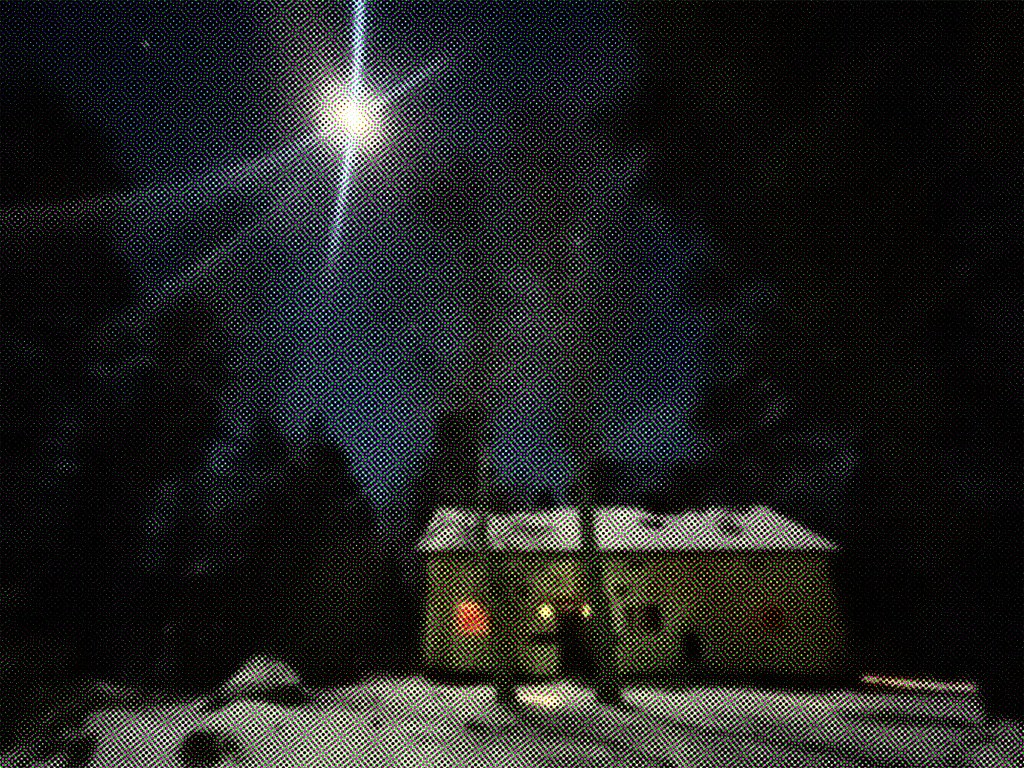
From the autumn of 2023 to summer of 2025 I had the chance to be a part of Taidetila Muijala – an artist-run residency located in the southwest of Finland. The residency focuses on creating an accessible working environment for artists, offering studio space, proximity to nature, and the time needed for concentrated artistic practice.
When I think about these kinds of places I want to see them not only as safe spaces for dialogue among like-minded people, but as something more nuanced: as temporary spaces in which tight-knit communication can happen. Where people at different career stages, positions in the field, or even with opposing political opinions can meet and try to shorten the distance between them.
It might sound a bit naive, as we’ve all seen public discussions where artists or other workers in the field are invited to talk about sensitive or complex topics, where in the end it feels like nothing was actually said – just the usual “we need to start talking about starting to talk.” Or attended networking events that intend to create a space to learn something new, or to find future collaborators. But then, during the speed-networking session, you just look each other in the eyes, say “good luck” to one another, and move on to the next person in the queue.
Within the broader cultural field, the rise of small-scale communities, such as residencies, coincides with a noticeable exhaustion from the open-call system. What was originally imagined as a democratic mechanism – offering equal opportunities to those without institutional connections – has become an emotionally and administratively draining labour that often gives back very little. Many artists now admit that despite the rhetoric of “equal access”, the system still reproduces the same hierarchies, only in a more bureaucratic, quiet form.
For example, when certain artists or any kind of cultural worker repeatedly receives funding or is selected for exhibitions, it can appear–especially from the perspective of someone who remains outside the selection lists–that the institution is simply choosing the more comfortable, safer option. Additionally, artists often feel they have to push themselves into certain frames. When they apply for an open call, they feel pressured to use specific language; when attending a show, to present themselves in the “right” way. Online, I often see advice to build personal connections with curators or collectors to have a chance to sell work, or be invited to exhibitions.
There is, however, a possibility for genuine openness; in fact, personal invitations were always present, but today they feel more honest. They showcase the connection between an artist and an inviting side – especially compared to an open call process, which feels more cold and faceless. The desire for trust-based, relational forms of collaboration becomes stronger than the reinforced idea of purely meritocratic competition. It makes me reflect on the experience of working and living in an art residency, and what the role of such initiatives could be in today’s political context.
In Muijala, artists usually arrive with the intention of taking a break from routine, focusing on their practice, meeting new people, and thinking in silence. The residency – which hosts three to five artists by open-call, usually has no specific thematic open content, except for a yearly reading/writing program in the winter. Since there is no curated program, a very wide range of artists end up applying. A single group can include a mid-career artist or writer, an art school teacher from Amsterdam, a niche designer, or someone who combines artistic practice with working as a doctor. Sometimes the mix is less contrasting, but often it brings together people who would rarely meet in other contexts. During studio visits this means you can receive many different perspectives on your work – or sometimes similar ones, that each carry special value.
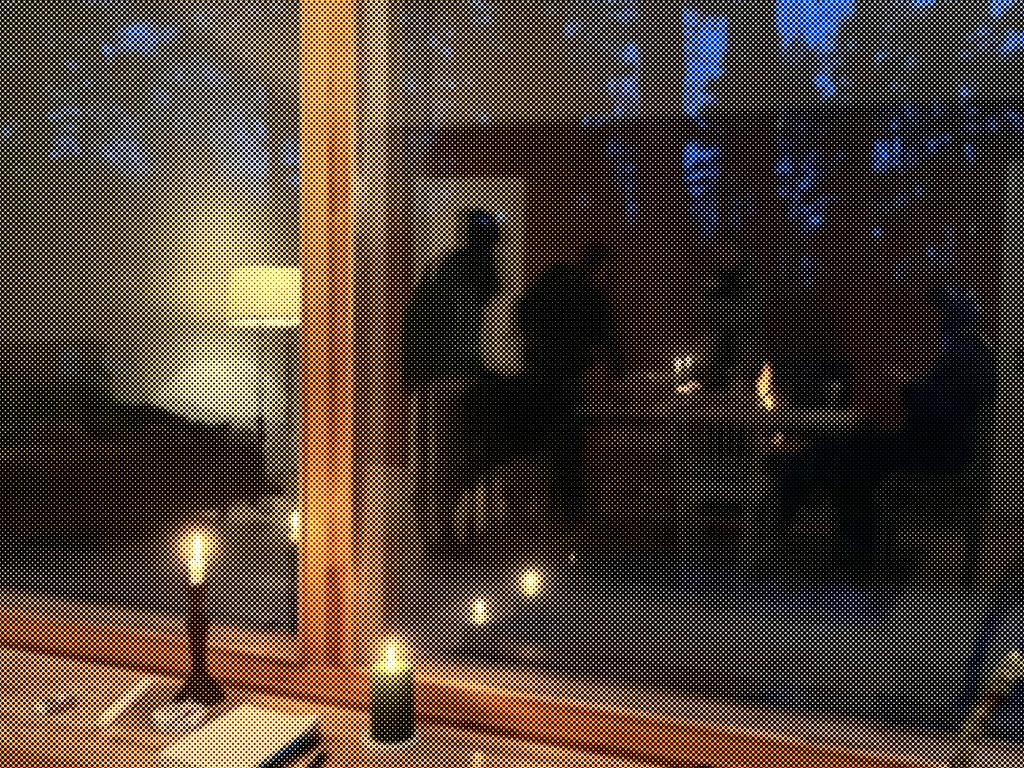
We know that one of the main purposes of residencies is to offer space for networking that can support an artist’s career. It is expected that shared routines will create an environment for communication and bonding. But as someone who has had a very long “residency” having worked at one, I can say that I noticed certain patterns across different groups. Often it took about a week for everyone to get to know each other, and after that it seemed as if people who had just met suddenly knew each other for decades. In such a closed, intimate space, it became easier to build trust with someone new.
Each encounter, every unexpected connection, felt like a small gift–something refreshing and unplanned. Artists would share stories from their lives, give each other small pieces of advice, help edit a portfolio, proofread a grant application, make soup if someone caught a cold, or bring back chocolate from the store. People often said they unexpectedly found new friends, with whom they stayed in touch even after their residency period had ended.
Today, speaking about ideas that could unite Europe feels almost frightening. It evokes something artificial, imposed from above – a grand narrative that postmodern culture taught us to distrust. Yet the absence of any shared story leaves us vulnerable, fragmented, unable to act collectively even in the face of global challenges such as climate change, wars, economic and political crises.

The tension between scepticism toward often generalising grand ideas and narratives, and the need for some form of common ground or shared vision is becoming increasingly visible. This is why working with small communities in situations of growing uncertainty is necessary.
Residencies such as Muijala demonstrate how the formation of connections between different cultural discourses, communities, backgrounds, and countries does not necessarily emerge from large cultural frameworks or institutional narratives. This is partly due to the growing distrust toward such structures, as well as their frequent inability to reach and engage circles that do not have a direct connection or specific interest in institutional discourse.
In the context of European states, this distrust is even deeper and more complex. Given today’s political climate, there is little hope for adequate cultural policies following the wave of funding cuts to culture that has swept across Europe these past years. At the same time, there seems to be a certain longing for a restart of the cultural scene, a desire for new people to take space and for old structures to step back.
This shift may emerge from small-scale, local initiatives that offer a less demanding yet more agile approach, as well as new forms of solidarity. People often join these initiatives not from a career-oriented perspective, but out of interest in a specific place or community. These spaces – temporary, fragile, and imperfect – demonstrate that it is still possible for people from different contexts to listen to one another, share experiences, and rediscover a sense of connection.
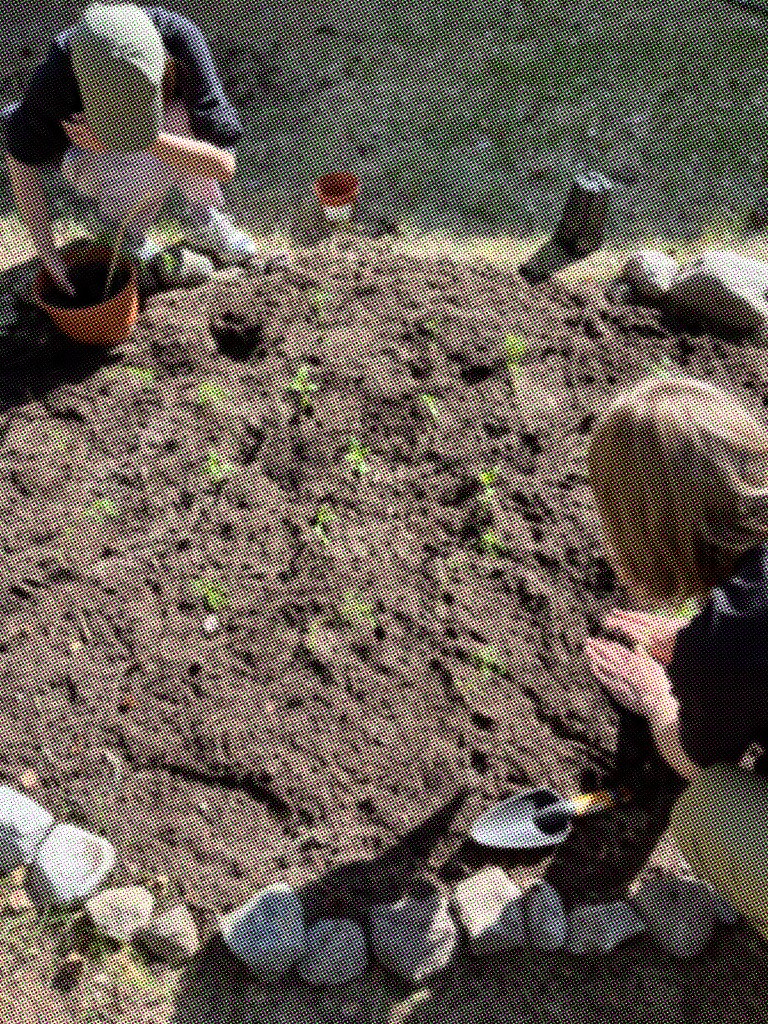
At the same time, they require external support, as lack of funding remains the biggest issue and is unlikely to be resolved in the coming years. One possible response could be for people to gather around projects that truly matter to them – not only by attending or following them, but also by offering physical help, donating small amounts, or becoming part of the initiative, even temporarily. On the one hand, this would ease the burden on those running such projects; on the other, it could foster a stronger sense of belonging to a wider community. By supporting them now, we can help shape new “common” narratives that could become the groundwork for future European cultural policies.
Serhii Varlamov
Essee, in English, Numero 7: Lahja, Taidetila Muijala
Sources
Pascal Gielen. The murmuring of the artistic multitude: global art, politics and Post-Fordism. Amsterdam: Valiz/Antennae Series. 2015.
 Nyyh
Nyyh 